
Frequently Asked Questions
We understand that finding the right educational environment for your child can feel overwhelming, especially when exploring early intervention or specialist support for a child with additional needs,.
Our FAQ page brings together the questions parents and carers most often ask about First Bridge Education. You will find clear information about our SEND school, how we integrate Applied Behaviour Analysis (ABA) within teaching, what daily life looks like and how admissions work. We hope these answers help you feel informed and confident as you learn more about how we support children aged 2 to 9 to grow, learn and thrive.
If your question is not listed here, don’t hesitate to contact us, our admissions team will be happy to help.
About First Bridge Education
Q: What ages does First Bridge Education support?
A: We provide school education for children aged 2 to 9 years. Our setting bridges early years and primary education, helping children build strong foundations for learning, communication and confidence.
Q: What makes First Bridge Education different from other autism specialist schools in London?
A: First Bridge Education combines a therapy-led, education-rich model with the warmth of a small, specialist school. Our approach integrates Applied Behaviour Analysis (ABA) principles within the National Curriculum, ensuring that every child learns in the way that suits them best.
Q: Is First Bridge Education an autism-specific school?
A: Many of our pupils are autistic, but we also support children with speech and language delay, sensory differences, global developmental delay and related neurodivergent learning profiles. Our priority is understanding each child as an individual and providing tailored, evidence-based support.
Q: Where is First Bridge Education located?
A: We are based in Chelsea Harbour, Imperial Wharf, London SW6 2PY. Families can use nearby on-street parking or Imperial Wharf Overground station. Our team ensures calm, supported drop-off and pick-up routines every day.
Autism, SEN & Early Intervention
Q: My 2 year old child shows early signs of autism. Are they too young to get support?
A: Not at all. Early intervention can make a meaningful difference. Even before diagnosis, we help children build communication, play and social engagement skills through developmentally appropriate, ABA-informed teaching.
Q: Why is early intervention so important for children with autism?
A: Research shows that structured, early support helps children develop communication, learning and independence more effectively. Starting early builds confidence, reduces anxiety and supports long-term well-being.
Q: What makes an autism specialist nursery or school different from a mainstream nursery or school?
A: In an autism specialist nursery or school, class sizes are smaller, communication support is embedded in every activity and routines are consistent. In our SEN school, we are able to support nursery age children between 2 to 5 years old and up to the age of 9, this structure helps children feel safe, understood and ready to learn
Q: Is First Bridge Education a SEN nursery or school?
A: We are an independent specialist SEN primary school provision for children with additional needs. With high staff ratios, individual targets and therapy-integrated teaching, we support both academic and emotional growth. We can support nursery age children between ages of 2 and 5 years old.
Applied Behaviour Analysis (ABA) and Therapeutic Approach
Q: What is Applied Behaviour Analysis (ABA)?
A: ABA is an evidence-based approach that uses positive reinforcement and structured teaching to build communication, learning and life skills. In both our specialist nursery and school, ABA principles guide how we teach and support and is always delivered playfully and ethically, with dignity in our school.
Q: Is ABA the same as Early Intensive Behavioural Intervention (EIBI)?
A: EIBI is a form of ABA used in early childhood to teach key developmental skills through structured, individualised sessions. Our programmes are ABA-informed and developmentally balanced, blending one-to-one learning with natural play and small-group interaction.
Q: How are ABA therapists involved in my child’s learning?
A: Each child’s programme is designed and overseen by Board Certified Behaviour Analysts (BCBAs) and UKBA(cert) professionals. They work closely with teachers and families to ensure strategies are consistent and motivating both in class and at home.
Q: Is ABA suitable for all autistic children?
A: ABA can be adapted for a wide range of learners. At First Bridge Education, we integrate ABA methods within a holistic, therapy-led model that prioritises emotional safety, enjoyment and individual progress.
Q: Are ABA schools in London regulated?
A: ABA is a professional practice rather than a statutory curriculum. However, First Bridge Education meets all Ofsted and safeguarding regulations, and all ABA programmes are supervised by qualified practitioners.
Daily Life & Learning with First Bridge Education
Q: What does a typical day look like at First Bridge Education?
A: On a typical day with us, children follow calm, predictable routines including short, focused learning sessions, structured play, social interaction and life-skills practice. Small classes and high staff ratios (often 1:1 or 1:2) create a sense of security and individual attention.
Q: How do you integrate therapy and education?
A: At First Bridge Education, each pupil’s curriculum is bespoke, tailored to their needs, motivations and individual learning trajectory. No two children’s learning pathways are the same. Every pupil is valued, supported and celebrated for their successes and progress, both during their time with us and in preparation for the future.
Our curriculum model integrates each child’s individual therapy programme with the National Curriculum and the wider ethos of our school. Skills are taught both explicitly through small-group or one-to-one intensive teaching sessions, and implicitly through Natural Environment Teaching (NET) and extended learning opportunities throughout the classroom.
Q: How do you support sensory and regulation needs?
A: Our classrooms are sensory friendly with calm zones, movement breaks and flexible routines. Staff help children identify and manage their emotions, building the self-regulation skills they’ll need for lifelong learning.
Q: How do you measure and share progress?
A: Progress is tracked daily across communication, learning, social and life skills goals. Families receive clear updates through termly meetings and written communication that celebrate achievements and outline next steps.
Admissions & Family Partnership
Q: How do you work with parents and carers?
A: We see families as partners in their child’s journey with us. You’ll receive consistent communication, progress meetings, and access to parent training opportunities so you can use the same strategies at home. Our goal is a united, confident support system for every child.
Q: What is a Suitability Assessment and why is it important?
A: Our Suitability Assessment is an essential step in our admissions process. It’s a friendly, structured process where we observe your child’s communication and learning style. The assessment helps confirm whether our environment is the right match which is key ensuring your child’s education begins from a place of fit and confidence. This is not a diagnostic assessment.
Privately funded places are subject to VAT and a non-refundable assessment fee.
Q: Do children need a formal diagnosis or EHCP to join?
A: No. We welcome admissions enquiries from families still exploring assessments or awaiting diagnoses. We also work with children who already have an Education, Health and Care Plan (EHCP), integrating their goals into daily programmes or looking to privately find a place in our school.
Q: What happens when my child moves from nursery to school age?
A: Transitions are planned carefully, maintaining consistent staff and teaching approaches. The same supportive ethos carries your child from Early Years through to the end of primary school, reducing stress and preserving confidence.
Q: How can I tell if First Bridge Education is right for my child?
A: The best first step is to speak to our team first and then we can arrange a visit. You’ll see our classes in action, meet with our friendly admissions team and discuss your child’s needs.
Q: What is the admissions process?
A: Every child is different. That’s why our approach is personal and built around your family with the aim of being simple and transparent. Contact our friendly admissions team to discuss whether your child’s profile. We’ll schedule a visit and our admissions team can discuss if taking the next step and arranging a Suitability Assessment is appropriate, as well as the different funding options.
Practical Information & Next Steps
Q: What qualifications do your staff hold?
A: Our team includes qualified teachers, BCBAs, UKBA(cert) professionals and experienced support staff. Everyone receives ongoing training in safeguarding, child development and specialist teaching.
Q: How do you ensure children’s safety and well-being?
A: Safeguarding, kindness and dignity are central to our practice. We promote a culture where children’s voices are heard, their choices respected, and their well-being actively monitored every day.
Q: What happens after my child leaves First Bridge Education?
A: We work with you and, where appropriate, local authorities to plan next steps, whether that’s another specialist school, a mainstream setting with support, or continued therapy. Every transition is carefully managed for confidence and continuity.
Get in touch
Didn’t find the answer to your question? Get in touch with us as we’ll happy to answer your question.
Upcoming First Bridge Education events
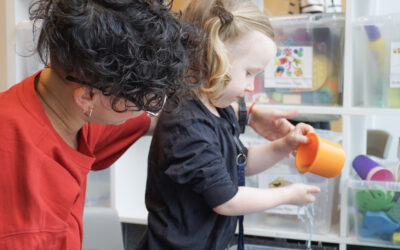
What Does Typical Social Development Look Like at 18 Months Webinar
What Does Typical Social Development Look Like at 18 Months?First Bridge Education is excited to announce our FREE webinar: “What Does Typical Social Development Look Like at 18 Months?“. Every child develops at their own pace, but there are key social milestones that...

Local Authority vs Private Funding: What Are Your Options? Webinar
Local Authority vs Private Funding: What Are Your Options?First Bridge Education is excited to announce our FREE webinar: “Local Authority vs Private Funding: What Are Your Options?“. When your child needs specialist support, understanding how to fund that provision...

Stimming, Tantrums, or Communication Webinar
Stimming, Tantrums, or Communication? Understanding BehavioursFirst Bridge Education is excited to announce our FREE webinar: “Stimming, Tantrums, or Communication? Understanding Behaviours“. When a child cannot express their needs easily with words, their behaviour...
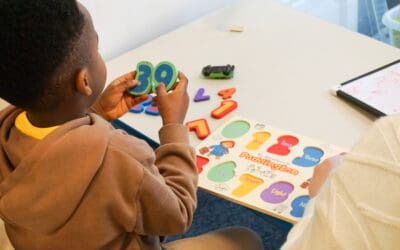
Transitioning to Mainstream or Specialist School Webinar
Transitioning to Mainstream or Specialist School: When, How, and WhyFirst Bridge Education is excited to announce our FREE webinar: “Transitioning to Mainstream or Specialist School: When, How, and Why“. Deciding what comes after an early years or primary placement is...
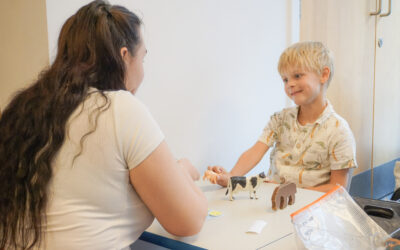
What Is ABA Therapy, And Is It Right for Your Child? Free Webinar
What Is ABA Therapy, And Is It Right for Your Child?Understanding the Basics and Making an Informed ChoiceFirst Bridge Education is excited to announce our FREE webinar: “What Is ABA Therapy, And Is It Right for Your Child?“. Are you worried about your child’s...
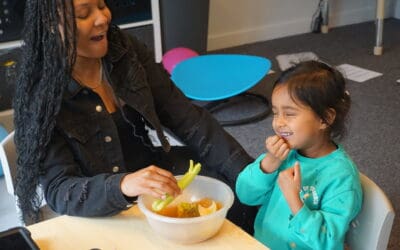
From Nursery to School Age: How Needs Evolve and How We Support Them Webinar
From Nursery to School Age: How Needs Evolve and How We Support ThemFirst Bridge Education is excited to announce our FREE webinar: “From Nursery to School Age: How Needs Evolve and How We Support Them“. As children grow, so do their needs; socially, emotionally, and...