
For parents exploring ABA schools in London, the process can feel overwhelming. Different schools may use the term ABA-led in very different ways and understanding what this actually means for your child’s day-to-day experience is essential.
This guide is designed to help you compare ABA schools with clarity and confidence. We will outline what school-based ABA typically looks like, the key criteria to consider when choosing a setting, and how our First Bridge Education team delivers a distinctive ABA-led early years programme for children aged 2 to 9 years.
What Is School-Based ABA?
Applied Behaviour Analysis (ABA) is a structured, evidence-based approach that focuses on understanding behaviour and supporting the development of communication, learning, independence, and social skills. In a school setting, ABA principles are embedded into daily learning rather than delivered as isolated therapy sessions.
High-quality school-based ABA should:
- Be individualised to the child, not a one-size-fits-all programme
- Support academic, social, emotional, and life skills development
- Be delivered consistently across lessons, play, routines, and transitions
- Use data to inform teaching while remaining flexible and child-centred
Not all ABA schools apply these principles in the same way, which is why comparison is so important.
Key Criteria When Comparing ABA Schools in London
When evaluating different ABA schools, there are several core areas parents should examine closely.
Curriculum Design
A strong ABA school does not rely solely on drills or repetition. Instead, the curriculum should balance:
- Structured learning targets informed by ABA
- Opportunities for play, exploration, and creativity
- Integration of communication, social interaction, and emotional regulation
Look for a curriculum that feels purposeful but not rigid, with clear progression pathways tailored to each child.
Individualised 1:1 Support
Many ABA schools advertise one-to-one support, but the quality and consistency of this support can vary.
Consider:
- Whether 1:1 support is available throughout the day or only during specific activities
- How support staff are trained and supervised
- How independence is encouraged over time, rather than creating reliance
Effective 1:1 support should scaffold learning while gradually empowering children to generalise skills independently.
Small Group Learning
In addition to individual support, high-quality ABA schools provide structured opportunities for small group learning. These carefully planned group sessions allow children to practise skills in a social context while still receiving the level of support they need.
Small group learning can help children:
- Develop turn-taking, shared attention, and cooperation skills
- Practise communication and social interaction with peers
- Generalise skills learned in one-to-one sessions into real-world situations
When comparing schools, ask how small group learning is structured, how group sizes are managed, and how staff adapt activities to meet each child’s individual goals within a group setting.
Qualifications and Oversight
Ask about:
- Who designs and oversees the ABA programmes
- The qualifications of therapists, teachers, and supervisors
- How often programmes are reviewed and adjusted
A robust ABA school will have clear clinical oversight alongside strong educational leadership.
Learning Environment
The physical and emotional environment matters. Children learn best when they feel safe, calm, and understood.
Look for:
- Low-arousal, thoughtfully designed classrooms
- Predictable routines balanced with flexibility
- A culture that values emotional wellbeing as much as academic progress
Collaboration With Families
The most effective ABA schools work in partnership with parents.
This includes:
- Regular communication and progress updates
- Clear explanations of targets and strategies
- Guidance on supporting learning at home
How First Bridge Education Stands Out
We offer an ABA-led early years programme designed specifically for nursery-aged children aged 2 to 5, as well as primary school aged children 5-9. Our programme combining clinical rigour with warmth, creativity, and respect for childhood.
An ABA-Led, Not ABA-Only, Approach
At First Bridge Education, ABA principles underpin the learning model, but they are not delivered in isolation. Teaching is holistic, integrating:
- Communication and language development
- Social interaction and play skills
- Emotional regulation and independence
- Early academic foundations
This ensures learning feels meaningful and natural, rather than purely instructional.
Highly Individualised Programmes
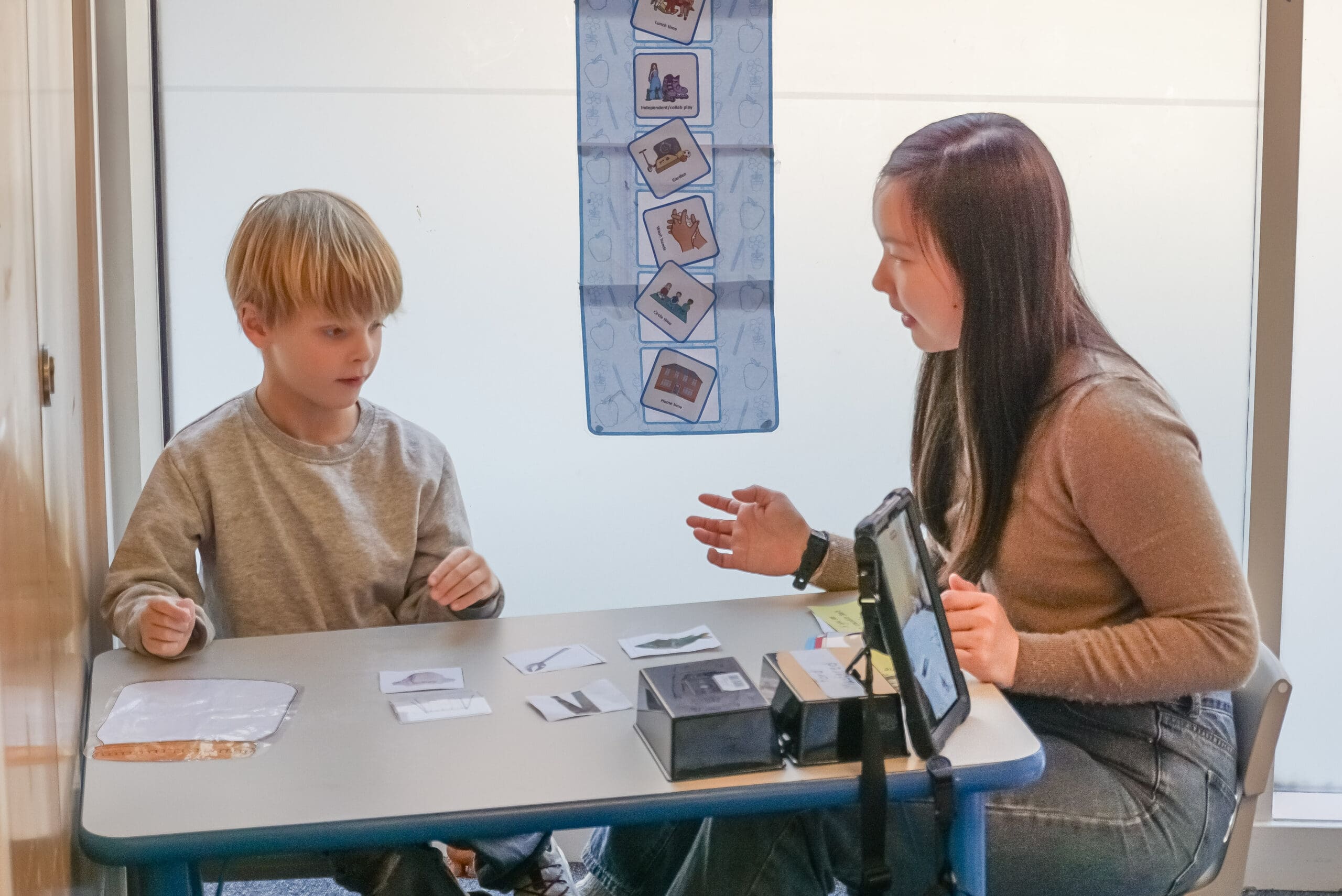
Every child at First Bridge Education has a personalised learning programme informed by ongoing assessment and data, allowing targets to evolve as the child grows. One-to-one support is embedded throughout the day, with a clear focus on building independence and confidence over time.
Specialist Early Years Focus for Nursery Age Children
Unlike some ABA schools that cater broadly across age groups, First Bridge Education specialises in early intervention. This focus allows for:
- Developmentally appropriate teaching methods
- Early skill-building that supports long-term outcomes
- A nurturing environment tailored to young learners
Collaborative, Family-Centred Practice
Families are viewed as partners. Clear communication, shared goal-setting, and regular progress reviews ensure parents feel informed, supported, and confident in their child’s educational journey.
Choosing the Right ABA School for Your Child
When researching ABA schools in London, there is no single “right” choice for every child. The best school is one that aligns with your child’s needs, your values as a family, and your long-term goals for independence and wellbeing.
As you compare options, focus on:
- How ABA is applied in everyday learning
- The balance between structure and flexibility
- The quality of individual and small group support
- The school’s understanding of early childhood development
Find Out More About ABA-Led Nursery Age Support in London
If you are exploring ABA schools in London for your child and want to understand how our ABA-led early years or school programme could support their development, First Bridge Education offers a clear, supportive enquiry and admissions process with expert guidance at every step.
To learn more about our specialist provision for children aged 2 to 9, or to discuss whether the setting may be right for your child, you can get in touch with our admissions team.