
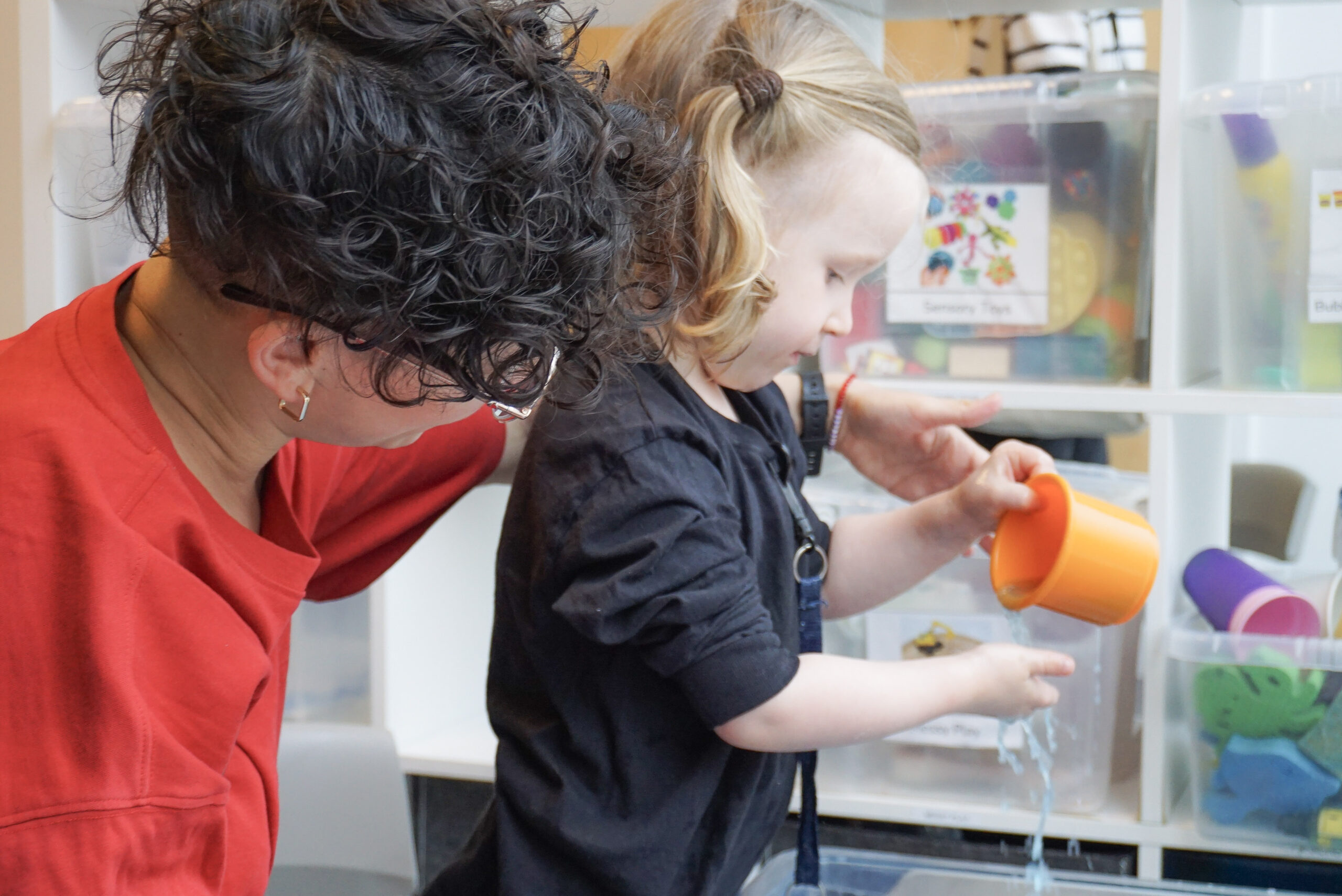
Starting school can feel like a huge step for any young child, and for many families it brings a mix of excitement and uncertainty. You may wonder whether your child is ready for a classroom environment, how they will cope with routines, or what support they might need to feel settled and confident. These questions are very common, especially for families of children aged 2 to 9 who are exploring additional needs or developmental differences.
At First Bridge Education, we meet many parents who want to understand what school readiness involves. It is easy to imagine it as a checklist, but in reality, it is a developmental process that looks different for every child. With the right guidance, preparation, and support, children can build these skills steadily. This is where ABA (Applied Behaviour Analysis) can make a meaningful difference.
What does school readiness really mean?
Parents often hear the phrase school readiness but may not know what sits behind it. In simple terms, it refers to a set of early skills that help children take part in learning, play, routines, and relationships at school.
These areas often include:
Communication
Being able to express needs and understand simple instructions. Communication may be verbal, through gestures, or with support such as visual aids or AAC devices.
Social interaction
Noticing others, sharing space, and beginning simple turn taking. This grows gradually and does not need to look like typical peer play.
Emotional regulation
Managing big feelings, recovering from frustration, and feeling safe in a busy environment. Children develop this at different speeds, especially those with sensory or communication needs.
Independence
Small steps such as hanging up a coat, using the toilet, or sitting for short periods. These are skills that can be scaffolded with patient support.
Understanding routines
Recognising what happens next and following familiar classroom expectations.
For many children, these skills require time, repetition, structure, and the right sensory environment. That does not mean a child is behind. It simply means they need a tailored approach to help them thrive.
How does Applied Behaviour Analysis (ABA) support these skills?
ABA is an evidence-based, individualised approach that helps children build early developmental skills step by step. It is grounded in understanding how children learn, what motivates them, and how to create meaningful, achievable goals.
At First Bridge Education, we use ABA within a warm, child centred environment that blends therapeutic support with early years education. Families often tell us they appreciate how practical and encouraging the approach feels.
How ABA supports communication
ABA breaks communication down into small, accessible steps. A child might learn to point, gesture, exchange a picture, or say a word, depending on their current development. Each success is reinforced gently so the child experiences communication as something positive and effective. Over time this reduces frustration and opens up more opportunities for connection.
How ABA supports social interaction
For young children, social interaction is not about group play straight away. ABA helps them tolerate shared space, respond to cues from familiar adults, and build very early turn taking. These foundational skills make future friendships more achievable and less overwhelming.
How ABA supports emotional regulation
Many nursery aged children between 2 to 5 find busy environments, noise, transitions, or unexpected changes difficult. ABA therapists help children develop coping skills through structured routines, predictable activities, and calming strategies. This builds emotional safety, which is essential for learning.
How ABA supports independence and self-care
Independence does not appear overnight. ABA breaks tasks into manageable steps and teaches them through modelling, visual supports, and gentle repetition. Whether it is washing hands, tidying up, or moving between activities, children gain confidence as each step becomes familiar.
How ABA supports routine and group learning
Following a group instruction can be one of the biggest challenges for young children with sensory or communication needs. ABA helps children practise simple directions, take part in circle time in small increments, and understand visual schedules. This preparation helps them feel more secure when they later enter a school environment.
How First Bridge Education prepares children for school
Families often ask what makes a specialist setting different. At First Bridge Education, our early years and school age provision for children aged 2 to 9 is built around consistency, nurturing relationships, and highly individualised support.
Our approach includes:
- One to one teaching where needed, supported by experienced behaviour therapists
- Small class sizes that reduce sensory overwhelm
- Integrated speech and language and occupational therapy where appropriate
- Individual learning plans that reflect each child’s strengths, needs, and developmental stage
- Visual supports, sensory tools, and structured teaching environments
- A strong partnership with families, including regular updates and collaborative goal setting
Everything we do is designed to help children move towards school with confidence. Some children transition to mainstream settings, others continue within specialist provision. What matters is that they feel understood, safe, and ready for the next step.
What outcomes can families expect?
When children receive early, structured support, families often notice:
- Improved ability to communicate wants and needs
- Greater confidence in new environments
- Reduced anxiety and fewer moments of overwhelm
- More independence with daily tasks
- A clearer understanding of routines
- Stronger emotional regulation skills
These changes do not happen instantly, but they build steadily through repetition, nurturing relationships, and consistent expectations.
Why school readiness matters for admissions
As part of the admissions process, First Bridge Education carries out a Suitability Assessment. This is not a diagnostic tool. It is a gentle, reassuring way to understand how a child learns, what motivates them, and what support will best help them make progress.
This assessment helps families make informed decisions about next steps. It also ensures that any child who joins our nursery or school receives the right structure, environment, and specialist support from day one.
If you are considering next steps
If you are exploring school readiness support for your child, we would be very happy to talk with you. You can contact our admissions team, arrange a tour, or attend one of our upcoming free webinars to learn more about how Applied Behaviour Analysis (ABA) can support early development.
First Bridge Education is here to walk this journey with you, offering clarity, reassurance, and the right support at the right time.
Useful Links
Contact us
Station Court Imperial Wharf,
1 Harbour Ave, London SW6 2PY

Copyright © 2023 First Bridge Centre | All Rights Reserved